
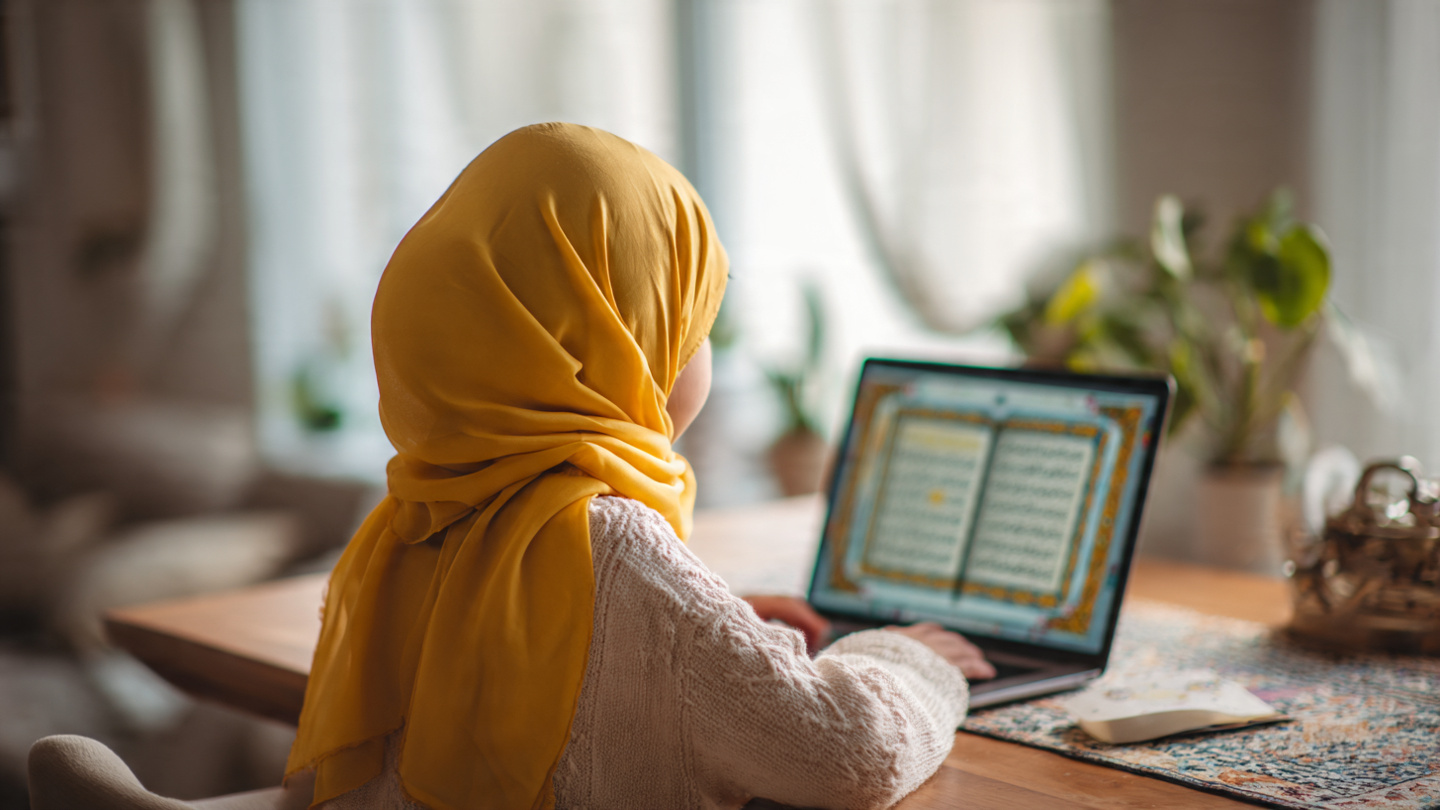
Parents today want Islamic education that is structured, safe, and effective. With the rise of digital learning, many families are choosing to teach the Quran to kids online instead of sending them to physical classes where children can Learn Quran Online in a safe and structured environment through a trusted Online Quran Academy.
But important questions arise:
This complete guide answers everything in detail.
Teaching children is very different from teaching adults. Kids need engagement, encouragement, and age-appropriate methods.
If you want to successfully teach the Quran to kids online, you must focus on three pillars:
Every age group learns differently. A 5-year-old cannot be taught the same way as a 10-year-old.
At this stage:
Children at this age learn best through visuals and repetition.
This is the ideal age for structured Quran classes. Children can:
This age group generally progresses the fastest.
Teenagers require:
They respond better to structured targets rather than games.
For a full breakdown by age, read our detailed Quran Classes Age Guide.
Children learn faster when learning feels fun. Effective gamification methods include:
Short achievements build confidence.
Gamified online tools also allow interactive learning, such as:
Gamification reduces boredom and increases consistency.
Even the best teacher cannot replace parental support. Parents should:
Parental involvement doubles learning effectiveness.
Modern platforms offer highly safe online Quran classes with multiple security layers, especially in Online Quran Classes in USA.
One-on-one classes ensure:
Private sessions reduce risks compared to group classes.
Secure Platforms
Reputable academies use:
Always choose structured institutions rather than random freelancers.
For young girls, parents often prefer female teachers. Most platforms provide:
For detailed guidance, see our Female Quran Tutor Guide.
Some academies allow:
This adds transparency and accountability.
“What is the best age to start Quran classes?” is a common question.
Best for:
Keep lessons light and enjoyable.
Recommended age to begin structured learning. Children are:
Many kids complete basic reading within 1–2 years.
Perfect for:
Teens can set long-term goals and follow serious study plans.
Your child may be ready if:
For teaching strategies, revisit our detailed How to Teach Quran to Kids Online guide at Online Quran Academy, a trusted option for families seeking Online Quran Classes in USA.
.
Before enrolling, check:
 Qualified, verified tutors Child-friendly teaching style Flexible schedule Clear progress tracking Trial classes availability
Avoid programs that:
✘ Lack transparency
✘ Offer no supervision system
✘ Do not allow parental monitoring
For a complete overview of structured programs, visit our Main Pillar: Online Quran Classes for Kids.
Q1: Is it safe to teach the Quran to kids online?
A: Yes, if you choose secure platforms with one-on-one supervision and verified tutors.
Q2: What is the best age to start Quran classes?
A: Structured learning is recommended from 6–7 years, though alphabet exposure can start at 4.
Q3: How long should kids study daily?
A: 20–40 minutes, depending on age.
Q4: Are female tutors available for girls?
A: Yes, many academies offer qualified female Quran teachers.
Q5: Can kids memorize the Quran online?
A: Yes, with structured revision and daily supervision, online Hifz programs are effective.
Tareeq ul Quran, an Online Quran Academy, has transformed how parents approach Islamic learning, especially through Online Quran Classes in USA. With proper planning, you can safely and effectively:
The key is balance:
Age-appropriate methods Gamified learning Active parent involvement Secure platforms
When chosen wisely, online Quran classes provide flexibility, safety, and strong spiritual development all from home.